The Winter Color Season: Palette, Colors and Makeup
The winter color season is a cool and striking coloring: skin with a pink or porcelain undertone, dark hair with a cool sheen and high contrast between skin, hair and eyes. Winters glow in clear, intense, contrasting colors and get dimmed by pastels, beiges and earthy shades.
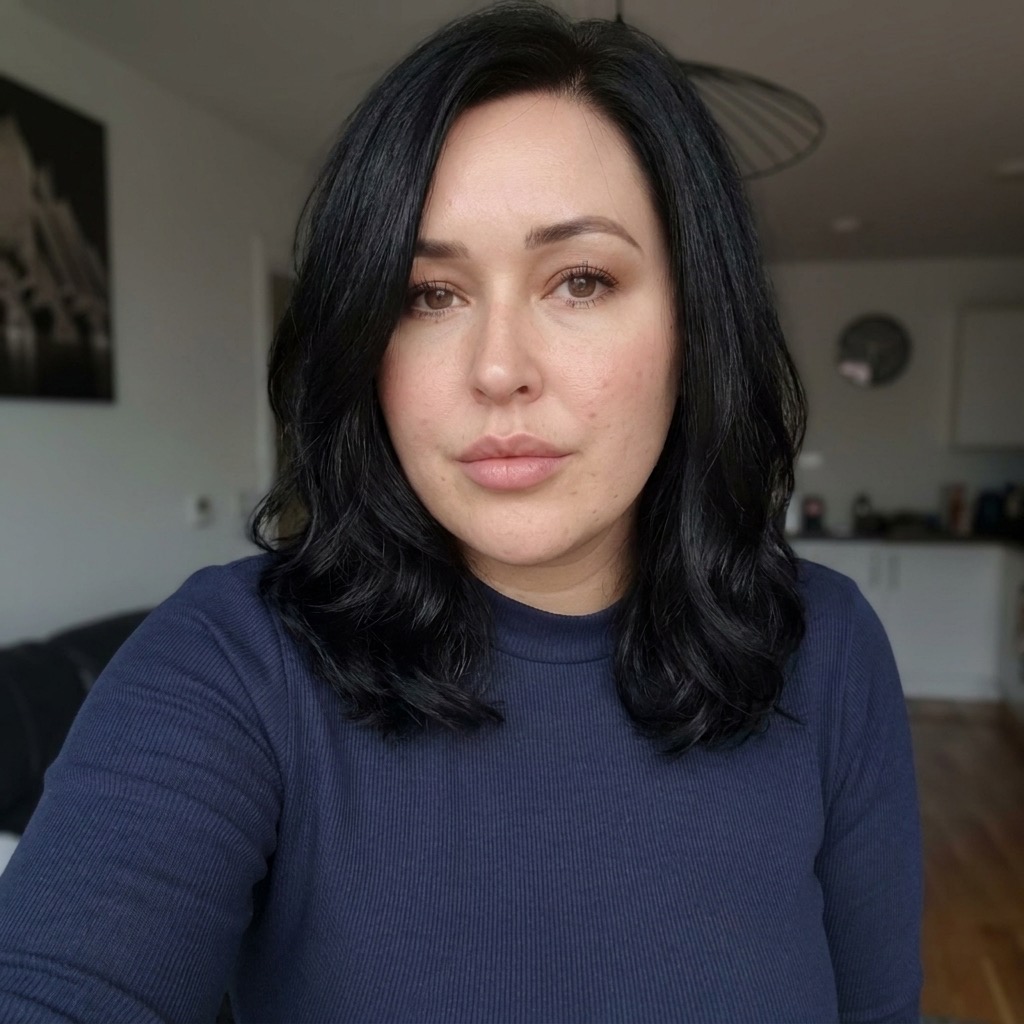
Winter is the only season that truly owns black and snow white. Women with winter coloring have naturally strong contrast: dark hair against fair skin, or intense eyes that pull the gaze. Muted pastels and earthy beiges erase that intensity and make the face look tired.
In the 12 season system, winter splits into three subtypes: bright winter, cool winter and deep winter. All share a cool undertone and intensity; what separates them is the dominant trait: clarity of color, coolness or depth. A photo analysis is the most reliable way to identify the exact subtype.
The 3 winter subtypes: bright, cool, deep
Bright winter carries the most intense, clear colors, cool winter has the coldest undertone, and deep winter the deepest coloring with the strongest contrast. Telling them apart requires judging undertone and depth, which a photo analysis measures best.
How to recognize a winter
The winter color palette
30 colors with hex codes, from the same engine that builds the personal reports. In your own report the palette is tuned to your exact subtype and coloring.
Colors to avoid
Warm, earthy colors rob a winter of contrast and shine: the skin turns sallow next to them and the sharpness of the features blurs.
Metals and jewelry
Winter makeup colors
Winter makeup can be bold: it is the only season that carries a pure red lip and a graphite smoky eye. One condition: the colors must be cool and clear, with no warm, brown tones.
Winter hair colors
Winter hair looks best in dark, cool shades: from cold espresso to black with a blue sheen. Lightening to gold and caramel balayage is the most common mistake for this season.
Outfit formulas
Check in 2 minutes
Reading about the winter palette tells you what the colors are. The free quiz tells you whether they are yours, and the AI photo analysis goes further: it assigns your exact subtype and shows your best colors on your own photo.