AI Color Analysis
Discover your ideal colors, hairstyle and makeup, matched to your color season.


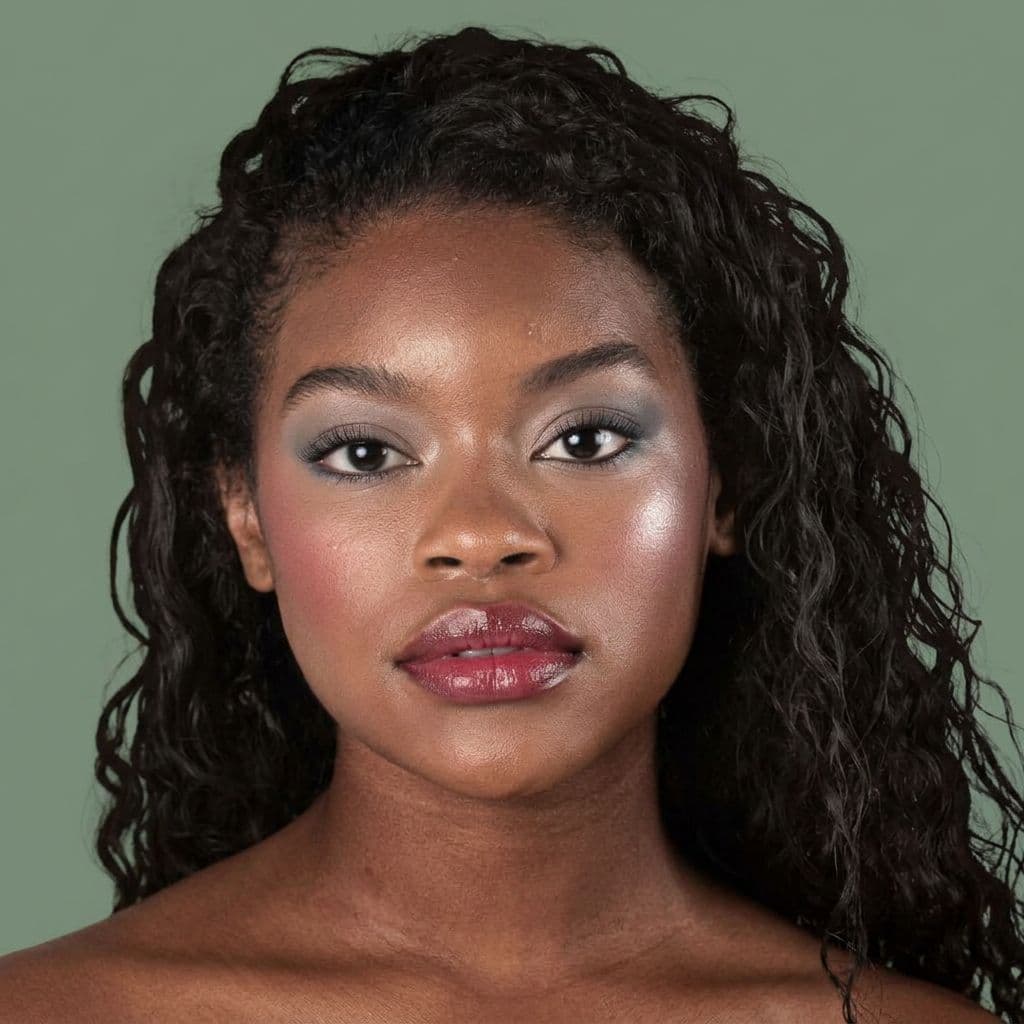




What you get in the report
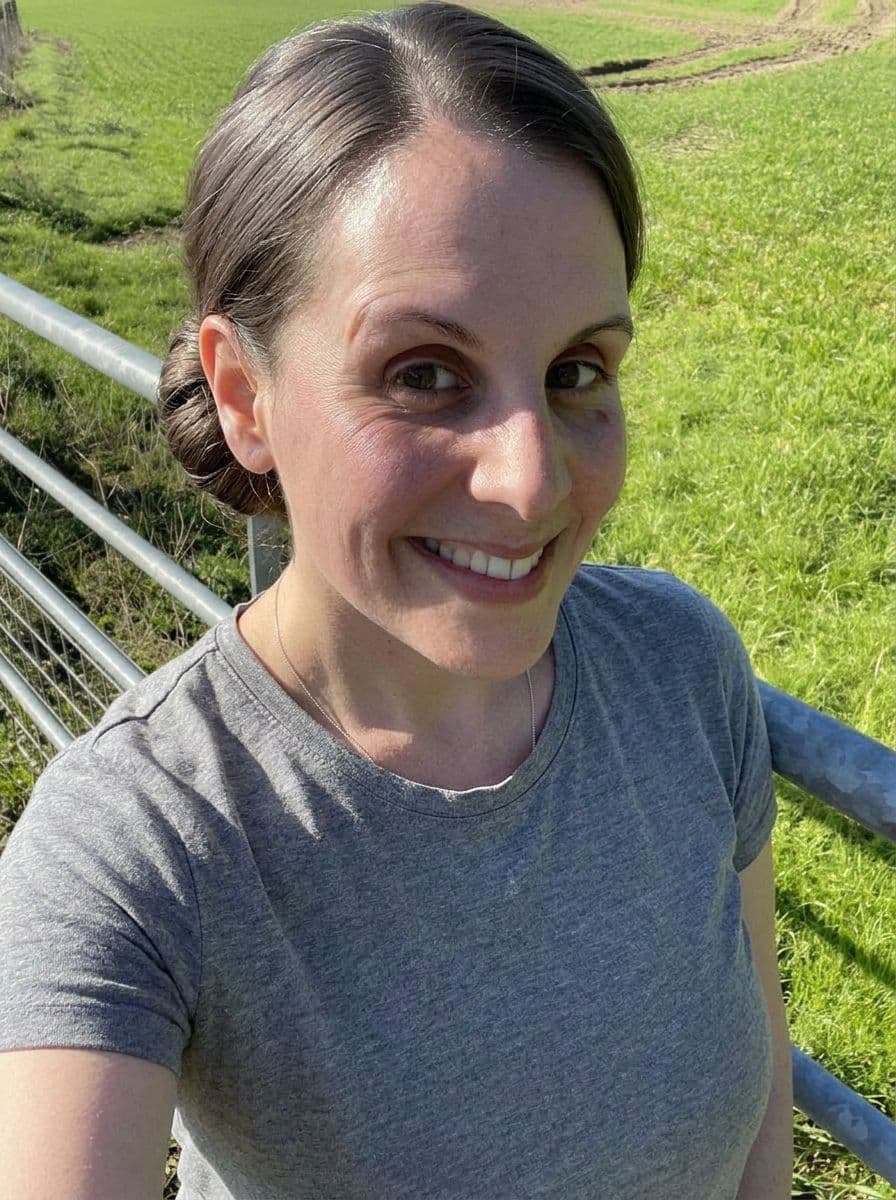
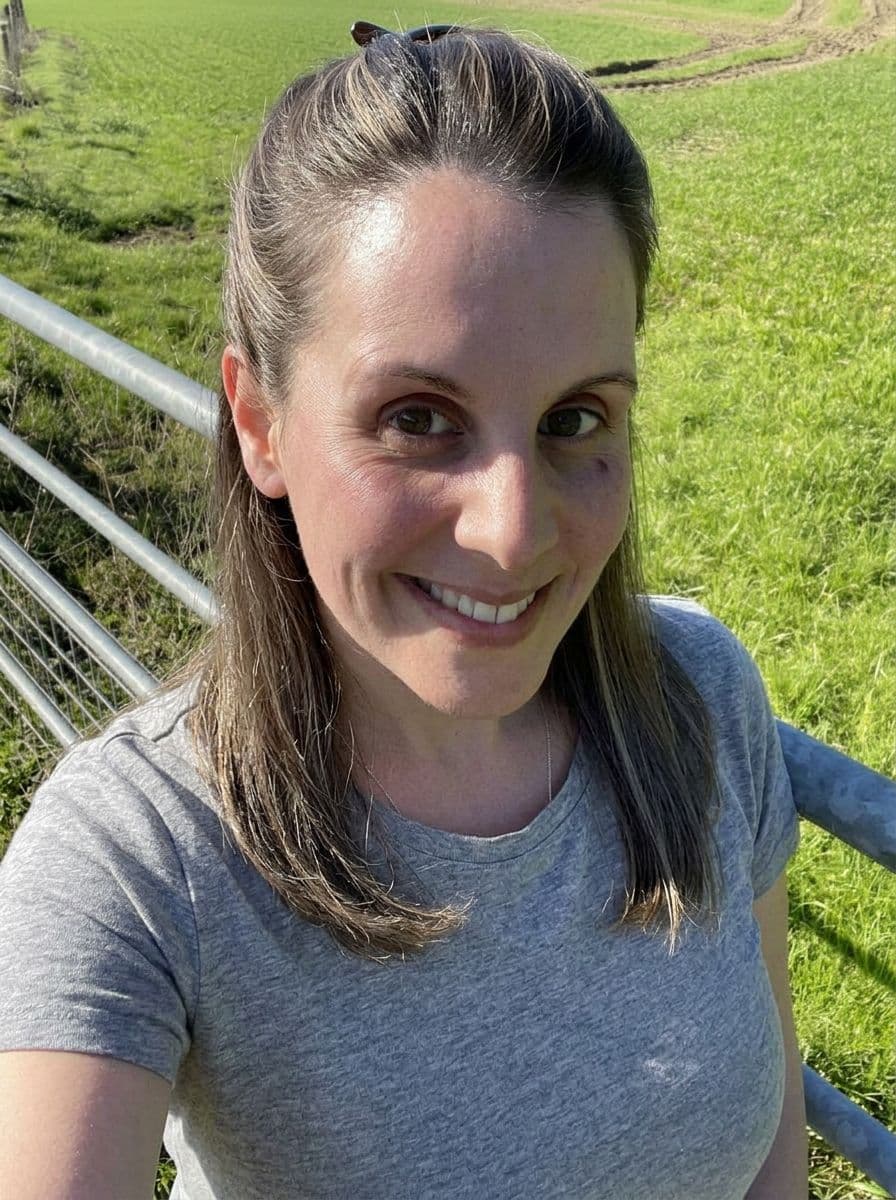
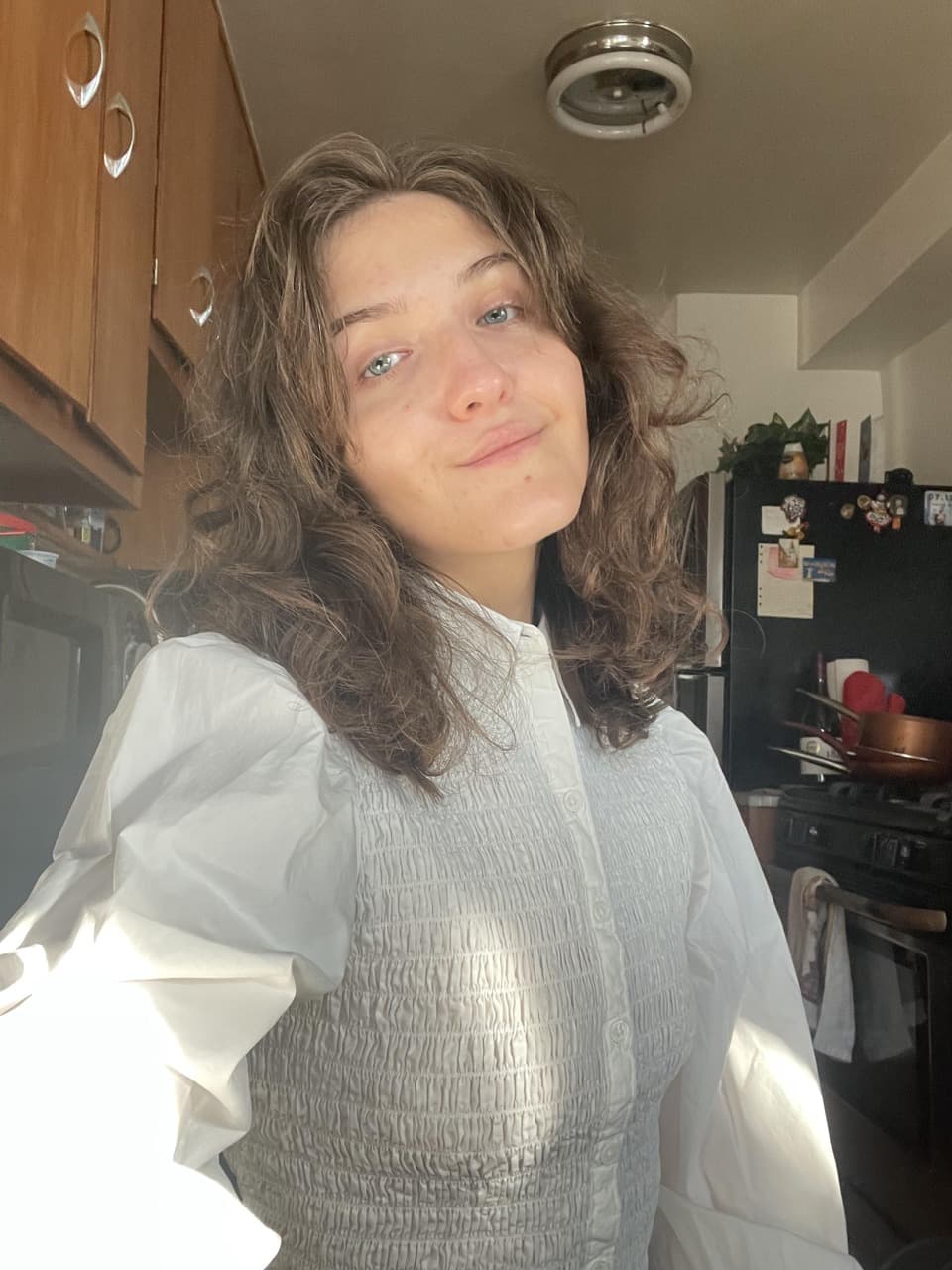
Nine pages tailored to you alone, with visualizations on your photo, not on a model.
Sample color analysis reports
Three full AI reports, exactly the way you will get yours.


Extended hairstyle report
8 hairstyles in 3 colors matched to your look: 24 visualizations on your own photo.








The 12 color seasons
Four seasons are just the start. Each one splits into three subtypes that differ in temperature, lightness and color saturation, each with its own palette.
Color Analysis Online:
How the Virtual Analysis Works
In our virtual color analysis, the algorithm measures your skin's undertone, your contrast, and the depth of your coloring, then identifies one of 12 color seasons. The whole thing takes just a few minutes.
- 1
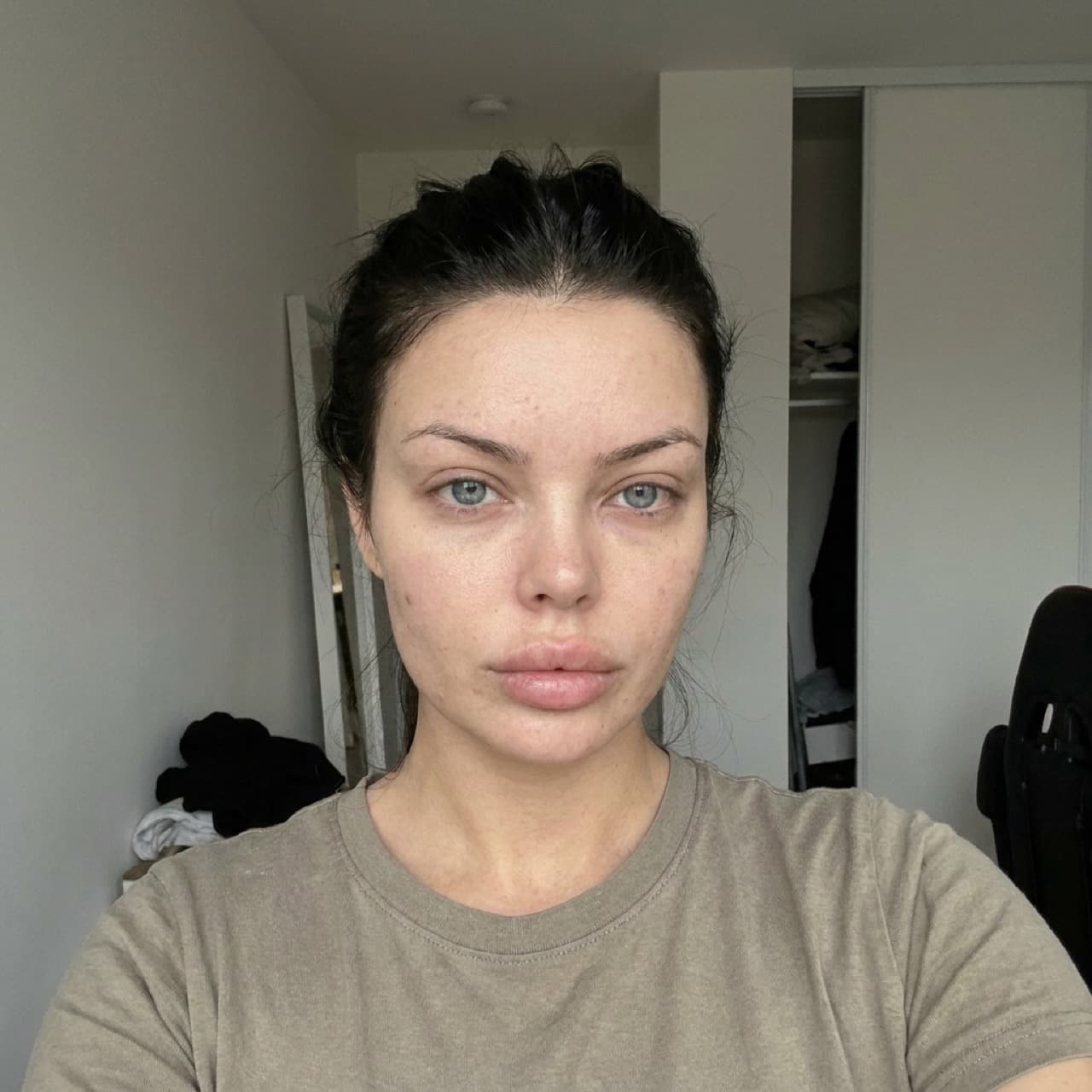
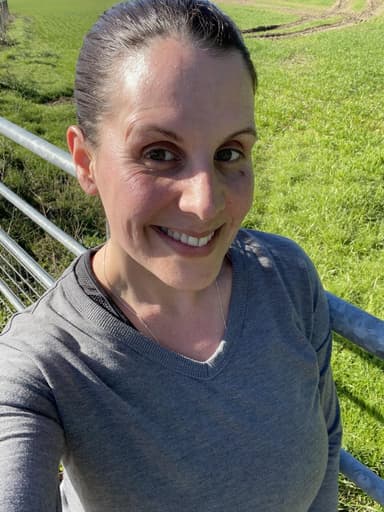
Upload one selfie
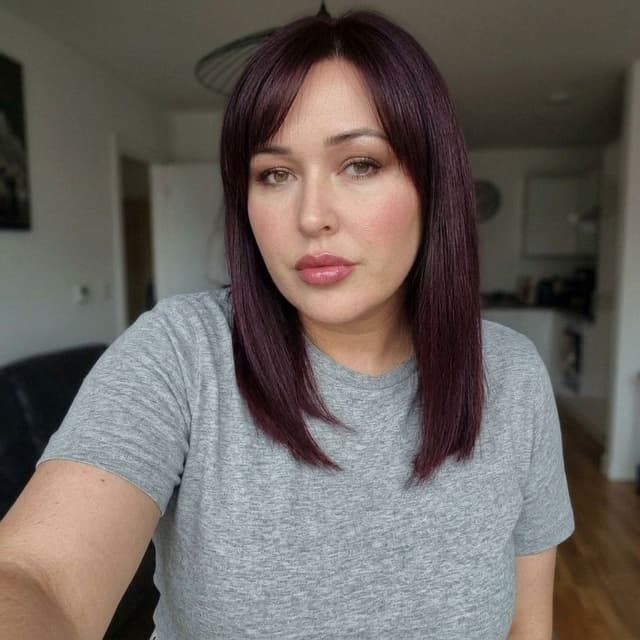
Take it in daylight, by a window or outside, ideally on a slightly overcast day (soft light casts no harsh shadows). Avoid light bulbs: their warm light (about 2700-3000 K) yellows the skin and distorts your undertone; daylight sits around 5500-6500 K. Hair tied back, no makeup, no filters.
A photo like this is all it takes - 2
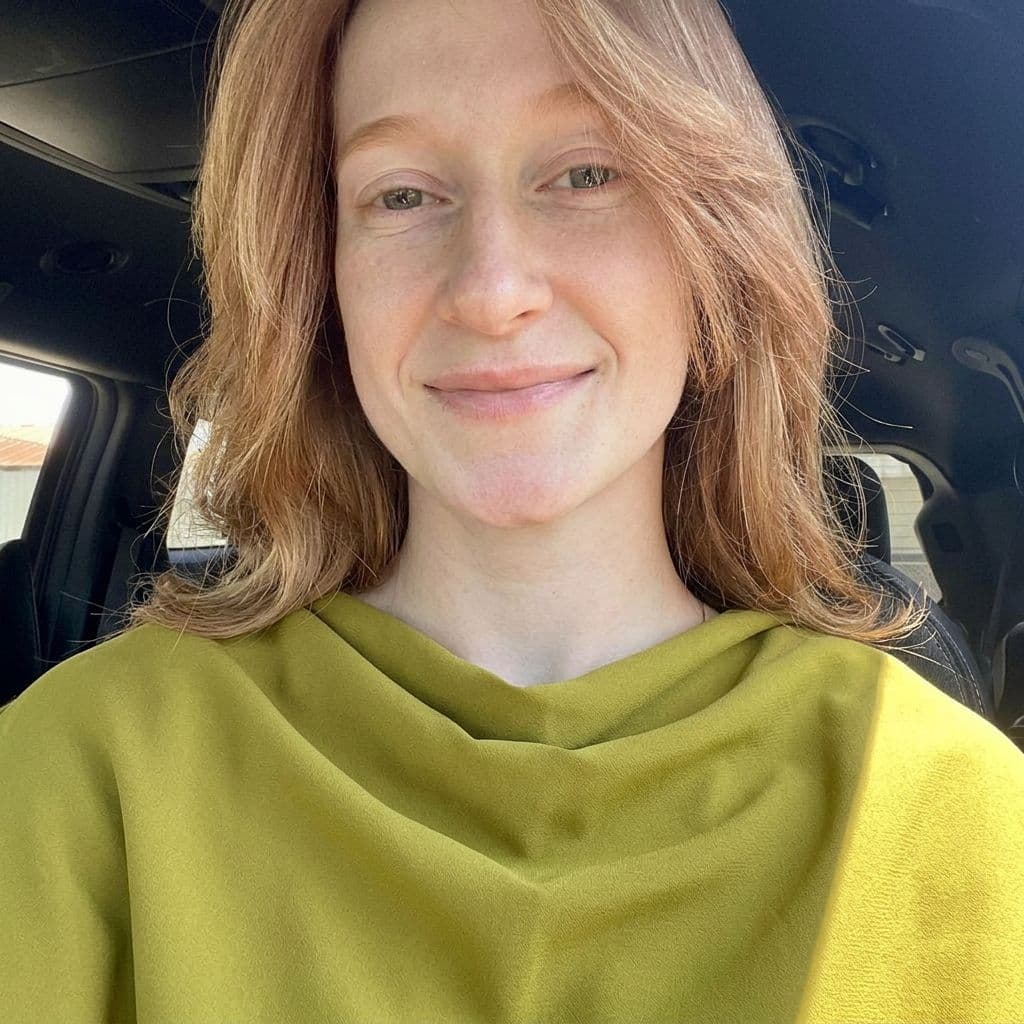
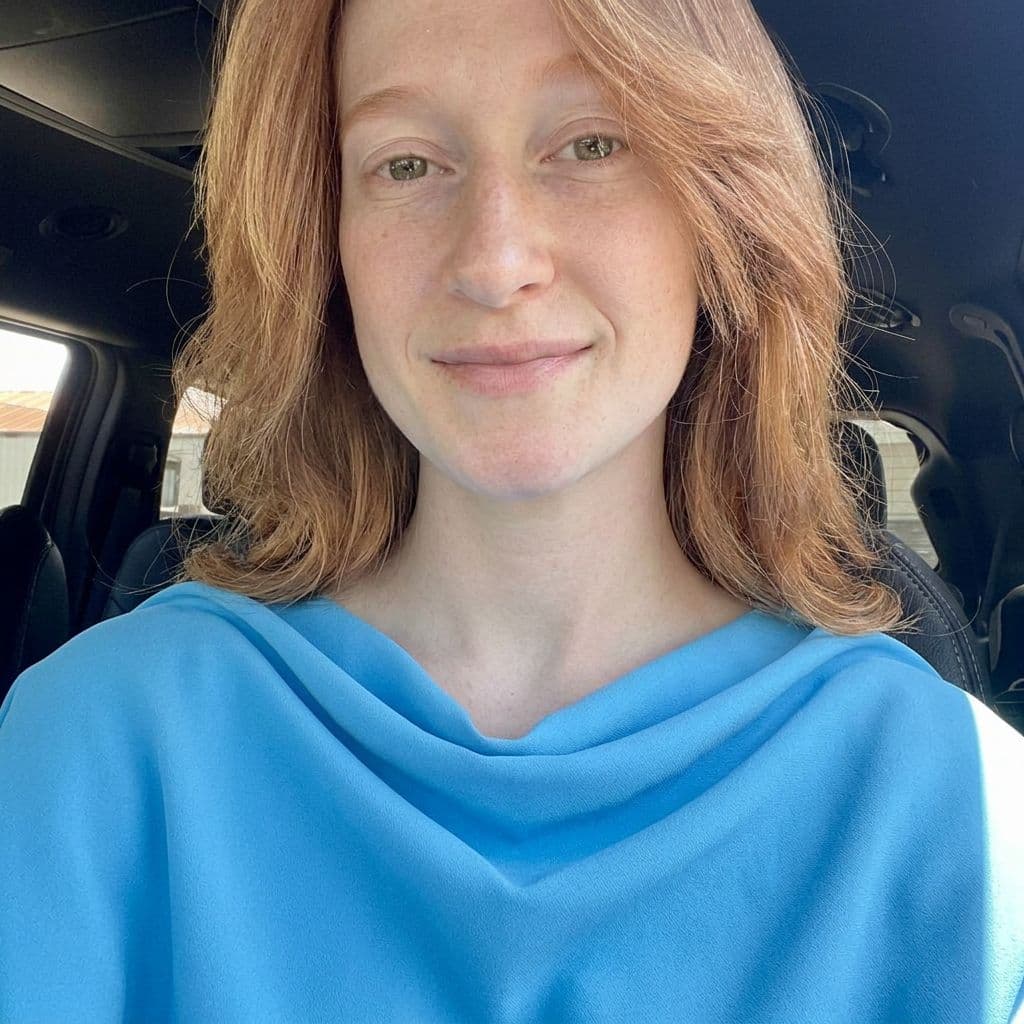
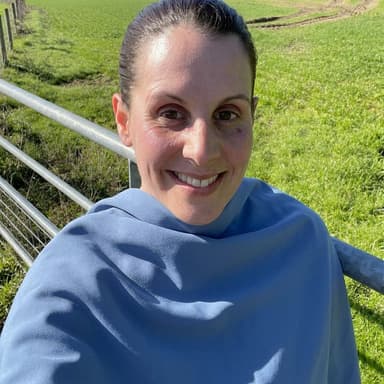
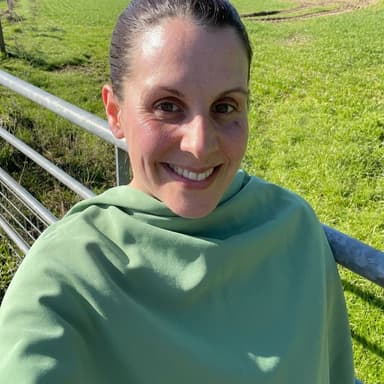
The AI runs a digital draping
Just like a color consultant holds fabric up to your face, the algorithm tries colors from different color families against your photo and checks which ones make your skin glow and which ones wash you out. You'll see the key comparisons in your report, on your own face.
Digital draping: flattering and unflattering colors on the same face - 3
You learn your color season
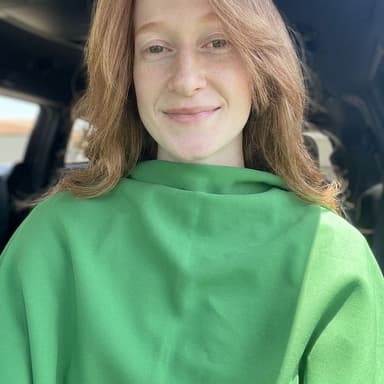
One of 12 seasons (say, Soft Summer or Bright Winter) with your complete color palette.
Deep Winter12 / 12 - 4
The report is yours to keep
Color palette, makeup, hair colors, hairstyles, and your best look, all shown on your own photo, with access that never expires.
See a sample report →09 / 09Your Best Look





What Is Color Analysis?
The method comes from classic seasonal analysis: four seasons, each in three variants that differ in temperature, lightness, and saturation. Once you know your season, you know what to pull off the rack, which lipstick and hair color to pick, and which colors to leave behind without regret.
How Much Does a Color Analysis Cost?
An in-person color analysis in the US typically costs $250-400 for an 80-120 minute session, with premium studios in New York charging up to $545; virtual consultations with a human analyst usually run $147-249.
Color analysis near me, or online? A studio session in your city usually means $250-400 and a wait of several weeks for an appointment; online, you get your result today, from a single selfie.
Free Color Analysis Quiz
vs. Real Analysis
The free color analysis quiz asks a few questions about your coloring and points you in a direction: your season and likely subtype. The real analysis measures your coloring from your photo and shows the result on you. Honestly put: the quiz makes an educated guess from your answers; the AI measures your photo and proves it with visualizations.